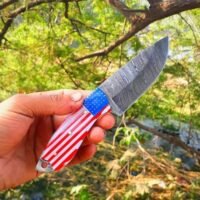
When it comes to choosing a knife, there are many factors to consider such as the type of blade, the handle material, and the overall design. One important factor to consider is the tang, or the part of the blade that extends into the handle. Full tang knives are a popular choice due to their durability and balance, and are often preferred by professional chefs and outdoors enthusiasts.
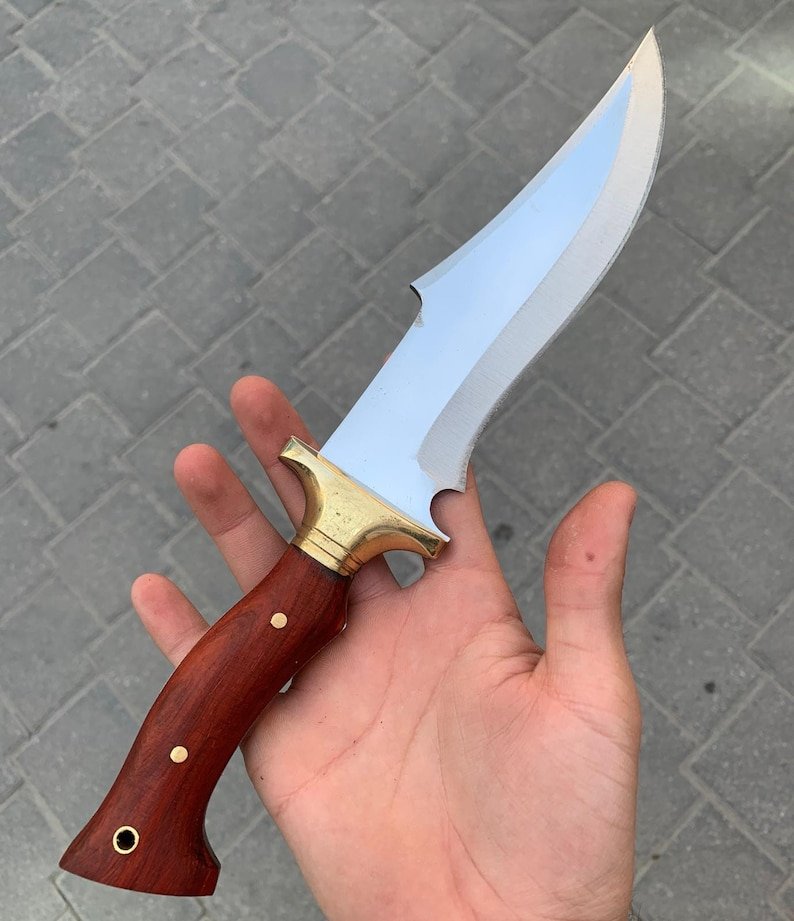
What is a Full Tang Knife?
A full tang knife is a type of knife where the blade extends all the way down into the handle, forming a single piece of metal. The handle is then typically wrapped with a material such as wood, plastic, or rubber to provide a comfortable and secure grip. In contrast, traditional knives often have a partial tang, where the blade only extends partially into the handle. This can make them more prone to breaking or bending under heavy
Advantages of Full Tang Knives:
There are several advantages to using a full tang knife:
- Durability:Because the blade and handle are one continuous piece of metal, full tang knives are much more durable than knives with partial tangs. This makes them less prone to breaking or bending under heavy use.
- Balance: Full tang knives are also well-balanced, as the weight of the blade is evenly distributed throughout the handle. This makes them easier to wield and control, and can help reduce fatigue when using the knife for extended periods of time. In contrast, partial tang knives may feel top-heavy or unbalanced, making them more difficult to handle.
- Ergonomics: The handle of a full tang knife is typically wrapped with a comfortable material, which helps reduce hand fatigue and improves grip. This makes them a good choice for tasks that require precise cuts or prolonged use.
One of the biggest advantages of a full tang knife is its durability. Because the blade and handle are made from a single piece of metal, there is less chance of the knife breaking or coming loose. Additionally, the extended metal provides a stronger, more secure grip and can make the knife more balanced in the hand.
Full tang knives are also known for their excellent performance. The blade can be made from a wide range of materials, such as high-carbon steel or stainless steel, and can be heat-treated for added strength. This results in a sharp, long-lasting edge that can handle a variety of cutting tasks with ease.
Another advantage of full tang knives is that the handle can be custom-made from different materials like woods, metals, or plastics, giving the knife a unique look and added grip.
Uses of Full Tang Knives
Full tang knives are versatile tools that can be used for a wide range of tasks, including:
Full tang knives are versatile tools that can be used for a wide range of tasks. These knives are known for their durability and performance, making them ideal for both professional and personal use. Here are just a few of the most common uses for full tang knives:
- Cooking: Full tang knives are a popular choice for professional chefs and home cooks alike. They can be used for everything from chopping vegetables to filleting fish. The heavy duty construction of full tang knives make them suitable for heavy and tough cutting tasks, while the sharp edge ensure precise cuts.
- For camping, hunting and other outdoor activities, full tang knives make great tools for everything from carving wood to skinning game. The durability and performance of a full tang knife makes it the perfect choice for rugged outdoor conditions. This type of knife is ideal for cutting through dense materials, chopping wood and preparing food while in the wild.
- Military and Survival: Full tang knives are also commonly used by military and survival enthusiasts. The durability and strength of the knife make it ideal for tasks such as cutting through rope or building shelter. This kind of knife is reliable, sturdy and can withstand demanding situations and tasks.
- Woodworking: Full tang knives are also used in woodworking, as they are ideal for carving and shaping wood. The strong construction of full tang knives allow them to withstand heavy chopping and carving tasks, giving woodworkers the precision and control they need.
- Hunting and Fishing: A full tang knife can also be a useful tool for hunting and fishing. The strength and durability of the knife make it an excellent choice for gutting fish and field dressing game.
Types of Full Tang Knives:
There are many different types of full tang knives available, each with its own specific design and intended use. Some of the most common types include:
Chef’s knives: These are versatile kitchen knives with a wide, curved blade that is well-suited for chopping, dicing, and mincing.Paring knives: These small, pointed knives are used for peeling, coring, and trimming fruits and vegetables.
Santoku knives: Santoku knives are similar to chef’s knives, but have a shorter, wider blade and a more pointed tip. They are popular in Japanese cuisine and are well-suited for slicing and dicing.
Hunting knives: These knives are designed for use
Some potential drawbacks of full tang knives
Cost:
- Full tang knives are often more expensive than other types of knives because they require more materials and labor to manufacture. The blade of a full tang knife extends all the way through the handle, which means that it requires more steel to make than a partial tang or no tang knife. In addition, the handle of a full tang knife is made from two separate pieces that are attached to the blade on either side, which requires additional labor and materials. As a result, full tang knives tend to be more expensive to produce than other types of knives, which can make them more expensive for consumers to purchase
Weight:
- Full tang knives are generally heavier than other types of knives because the blade extends all the way through the handle. This means that the weight of the blade is evenly distributed throughout the handle, which can make the knife feel heavier in the hand. The added weight of a full tang knife may be a disadvantage for some users, as it can make the knife less comfortable to hold and use for extended periods of time. However, the added weight can also be seen as an advantage, as it can give the knife more momentum and make it easier to chop through tough materials.
SIZE:
- Full tang knives are typically larger and bulkier than other types of knives because the blade extends all the way through the handle. This means that the handle of a full tang knife is usually the same width as the blade, which can make the knife look more balanced but also more cumbersome. The larger size of a full tang knife may be a disadvantage for users who need a more portable or compact knife, as it may be less easy to carry around and may not fit as easily into a pocket or ba
Aesthetics:
- Some users may not like the appearance of full tang knives because the blade and handle are typically the same width, which can make the knife look bulky or unbalanced. In contrast, partial tang and no tang knives often have a narrower handle, which can give the knife a more streamlined appearance. Additionally, the visible metal of the blade and handle on a full tang knife may not be to everyone’s taste, as it may look less sleek or refined than a knife with a more traditional handle material.
Blade length:
- Full tang knives typically have a longer blade than other types of knives, which can make them less suitable for tasks that require a shorter, more precise blade. For example, a full tang knife with a 6-inch blade may not be as effective for tasks such as peeling or filleting as a shorter knife with a 3-inch blade. However, the longer blade of a full tang knife can be an advantage for tasks such as chopping or slicing, as it can give the knife more reach and leverage.
Blade thickness:
- The blade of a full tang knife is generally thicker than that of other types of knives, which can make it less suitable for tasks that require a thin, sharp blade. For example, a full tang knife with a blade that is 1/4 inch thick may not be as effective for tasks such as skinning or deboning as a thinner knife with a blade that is 1/8 inch thick. However, the thicker blade of a full tang knife can be an advantage for tasks such as chopping or batoning, as it can be more resistant to bending or breaking.
Certainly! Here are some additional points About Full Tang Knives
Full tang knives tend to be more expensive than partial tang knives, as they require more material and labor to manufacture. However, their durability and balance often make them a worthwhile investment for those who rely on their knives for heavy use or precision tasks.
Full tang knives are often stronger and more durable than folding knives, as they do not have a hinge that can weaken over time. This makes them a good choice for survival and outdoor situations where a reliable knife is essential.
Some full tang knives have a “hidden tang,” where the tang is not visible from the outside of the handle. These knives may have a handle made from multiple pieces of material, with the tang sandwiched in between. While the hidden tang does not affect the strength or performance of the knife, it can give the knife a more streamlined appearance.
It is important to properly care for any knife, including full tang knives, to ensure their longevity and performance. This includes keeping the blade sharp, cleaning and drying the knife after use, and storing it properly to prevent damage. Using a full tang knife for tasks it was not designed for, such as prying or twisting, can also weaken or damage the blade over time.
Click Here To Visit my website