introduction to Japanese Knives:
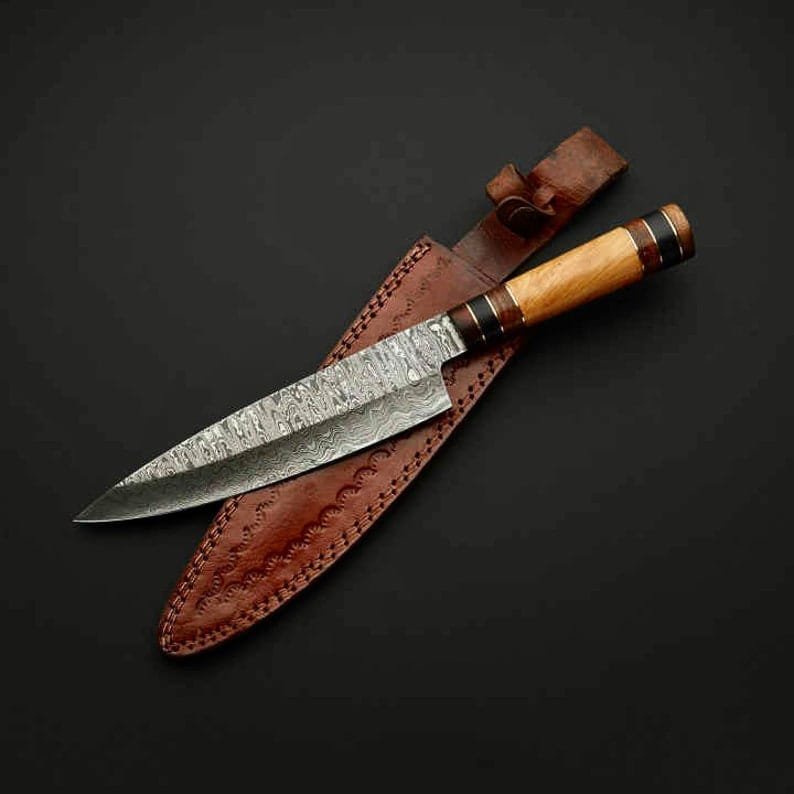
Japanese knives are known for their exceptional sharpness and precision, making them a popular choice among professional chefs and home cooks alike. These knives are crafted using traditional techniques passed down through generations, and are made from high-quality materials such as carbon steel and Japanese high-carbon stainless steel. In this blog, we will take a closer look at the different types of Japanese knives, their unique features, and how to care for them.
Different Types of Japanese Knives:
Santoku Knife:
The santoku knife is one of the most popular types of Japanese knives. This knife, which translates to “three virtues” in English, is commonly used for slicing, dicing, and mincing. Its unique shape, with a flatter edge and a shorter height than a Western chef’s knife, makes it ideal for chopping vegetables and slicing meats.
Usuba Knife:
The usuba knife is another popular type of Japanese knife that is specifically designed for cutting vegetables. It is characterized by its thin, straight edge and square tip. The usuba is a traditional knife used by professional chefs in Japan and is considered a highly skilled tool to use.
Yanagiba Knife:
The yanagiba knife is another traditional Japanese knife that is mainly used for slicing raw fish for sushi and sashimi. It is a long, thin knife with a single-bevel edge and is considered one of the most difficult knives to sharpen, but it is also considered one of the most versatile knives in a professional sushi chef’s arsenal.
Deba Knife:
The deba knife is a heavy and thick knife that is mainly used for filleting and chopping fish. It has a single bevel edge and a pointed tip, which makes it perfect for cutting through fish bones.
Nakiri Knife:
The Nakiri knife is a knife used for cutting vegetables. Its straight edge and square tip make it perfect for chopping and slicing vegetables. It is a double-bevel knife and is typically used by home cooks.
Design and Aesthetics of Japanese Knives:
Japanese knives are also known for their beautiful and elegant design, with many featuring intricate engravings and intricate handle work. Many of these knives are also considered works of art and are highly sought after by collectors. The handle of Japanese knives are usually made from materials like rosewood, ebony, and Pakkawood. These materials not only provide a comfortable grip but also add to the aesthetics of the knife.
Caring for Your Japanese Knives:
When it comes to maintaining and caring for your Japanese knives, it is important to keep them sharp and clean. They should be sharpened regularly, using a sharpening stone or honing rod, and should be washed and dried thoroughly after each use. It is also important to store them properly, either in a knife block or on a magnetic knife strip, to prevent damage to the blade.
Sharpening:
Sharpening your Japanese knives regularly is essential to maintaining their sharpness and precision. A sharpening stone or honing rod should be used, and the knife should be sharpened at a specific angle to ensure the blade maintains its original shape.
Cleaning:
Cleaning your Japanese knives after each use is crucial to maintaining their longevity. They should be washed in warm water and mild detergent, and dried thoroughly before storing them.
Storing:
Proper storage is also important for maintaining your Japanese knives. They should be stored in a knife block or on a magnetic knife strip, to prevent damage to the blade.
Conclusion:
- Japanese knives are known for their sharpness and precision which makes them ideal for a wide range of tasks in the kitchen, particularly those related to sushi preparation.
- They are often made from high-quality, hard steel such as VG-MAX, Aogami Super, and Blue Super steel.
- Japanese knives are typically made using the traditional method of hand forging and grinding. This method involves heating the steel to a high temperature and then hammering it into shape. The blade is then ground and sharpened to a razor-sharp edge.
- The sharpness and precision of Japanese knives are due to the high quality of steel and the traditional method of manufacturing.
- Japanese knives are highly specialized and are designed for specific tasks. There are different types of Japanese knives for different tasks such as Deba, Usuba, and Santoku.
- Japanese knives are considered a premium kitchen tool and can be quite expensive. They can range in price from a few hundred dollars to several thousand dollars.
- Proper care and maintenance is important to ensure the longevity of Japanese knives. This includes regular sharpening, cleaning, and oiling the blade.
- Japanese knives are also known for their aesthetic beauty, they are crafted with an attention to detail and are often considered a work of art.
Some Ques/Ans On Japanese knives:
Q1:What is the difference between a single bevel and double bevel Japanese knife?
A: The main difference between a single bevel and double bevel Japanese knife is the angle of the edge. A single bevel knife has only one angle on the edge, usually around 15-17 degrees, and is typically used for tasks such as filleting fish or precision slicing. A double bevel knife, on the other hand, has two angles on the edge, usually around 10-15 degrees, and is typically used for general slicing and chopping tasks.
Q2: How do I know which Japanese knife is best for me?
A: The best Japanese knife for you will depend on your specific needs and the tasks you will be using it for. For example, if you frequently prepare sushi or sashimi, a yanagiba knife would be a good choice. If you spend most of your time chopping and slicing vegetables, a usuba or a Nakiri knife would be a good choice. If you want a versatile knife that can handle a wide range of tasks, a Santoku knife would be a great option. It’s always a good idea to research the different types of knives available and try them out before making a purchase.
Q3: How often should I sharpen my Japanese knife?
A: The frequency at which you should sharpen your Japanese knife will depend on how often you use it and the types of tasks you use it for. If you use your knife frequently for heavy-duty tasks such as chopping and slicing, you may need to sharpen it more often. If you use it less frequently and for lighter tasks, you may not need to sharpen it as often. As a general rule, you should sharpen your knife at least once every six months to maintain its sharpness and precision.
Q4: Are there any specific materials I should use to sharpen my Japanese knife?
A: Sharpening stones and honing rods are the traditional tools used to sharpen Japanese knives. These materials come in a variety of grits, from coarse to fine, and are used to hone and refine the edge of the blade. It is important to use the right grit of sharpening stone or honing rod for your specific knife and the type of sharpening you need. It is also important to use honing oil when using a sharpening stone to lubricate and protect the blade.
Q4:What is the process of making a Japanese knife?
A: The process of making a Japanese knife is intricate and requires a high level of skill and precision. It typically includes several steps such as:
1.Selecting the right type of steel and forging it into the desired shape.
Hardening the steel by heating it to high temperatures and then rapidly cooling it.
Grinding and honing the blade to achieve a razor-sharp edge.
Creating the handle, often made of materials like rosewood, ebony, and Pakkawood.
Finishing and polishing the knife to achieve a smooth and beautiful surface.
Q5: How does the traditional Japanese knife-making process differ from modern methods?
A: The traditional Japanese knife-making process is characterized by its use of hand-forging techniques and natural materials. The knives are made by skilled artisans using traditional techniques that have been passed down through generations. In contrast, modern methods often involve the use of machines and mass-production techniques. The knives made through the traditional methods are considered more superior in terms of craftsmanship, sharpness and durability than the modern method.
Q6: What are some tips for maintaining a Japanese knife?
A: To maintain a Japanese knife, it’s important to keep it clean and dry after each use, and to store it properly. It’s also important to sharpen it regularly, and to avoid cutting through hard or frozen foods to avoid chipping or damaging the blade. Always use a cutting board to protect the blade, and avoid using a dishwasher to clean it.
Q7: Are there any special precautions I should take when cleaning a Japanese knife?
A: When cleaning a Japanese knife, it’s important to use a mild detergent and warm water. Avoid using abrasive sponges or steel wool, as they can damage the blade. Make sure to dry the knife thoroughly before storing it to prevent rusting.
Q8: Are there any foods that I should avoid cutting with a Japanese knife?
A: To maintain the sharpness and integrity of a Japanese knife, it’s best to avoid cutting through hard or frozen foods, as they can chip or damage the blade. Avoid using the knife on extremely hard surfaces, such as glass or ceramic, as it can dull the edge.
Q9: How can I tell if a Japanese knife is of high-quality?
For info Visit My website: click here
A: High-quality Japanese knives are typically made from high-quality materials such as carbon steel or Japanese high-carbon stainless steel. They should have a sharp, precise edge and a well-crafted handle. The knives should have a good balance and should feel comfortable in the hand. Additionally, you can look at the brand or the maker of the knife, as they are known for their quality knives.
for more info click here