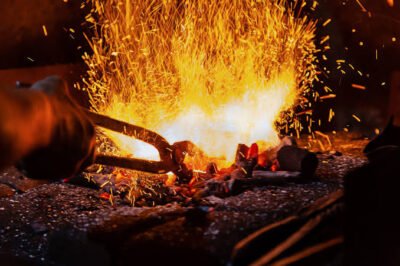
There are many applications for a hunting knife, both in hunting and in other outdoor activities. Some common uses for a hunting knife include:
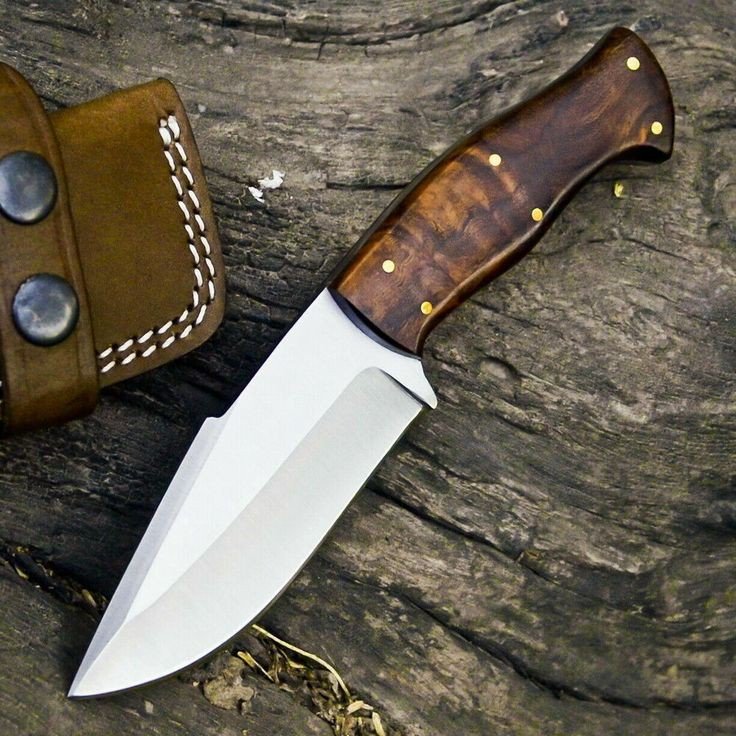
- Field dressing game: A hunting knife is typically used to remove the internal organs and skin of an animal after it has been hunted
- Preparing food: A hunting knife can be used to cut and slice meat, as well as to chop vegetables and other ingredients for cooking.
- Building shelters: A hunting knife can be used to cut branches and other materials for constructing a shelter in the wilderness.
- Cutting rope and other materials: A hunting knife can be used to cut through rope, twine, and other materials that may be needed while hunting or camping.
- Self-defense: In some cases, a hunting knife may be used as a weapon for self-defense against animals or other threats while in the wilderness.
- Survival: A hunting knife can be a valuable tool in a survival situation, as it can be used for a wide range of tasks including building shelters, starting fires, and preparing food.
- Outdoor activities: A hunting knife can be useful for a variety of outdoor activities such as hiking, camping, and fishing. It can be used to cut through thick brush, prepare food, and perform other tasks.
You can also visit my website cutler enterprise.com
NOTE:
It’s important to note that hunting knives should be used responsibly and with caution, as they are sharp tools that can cause serious injury if not handled properly.
Useful Information about Hunting knives:
A hunting knife is a type of knife that is specifically designed for use in hunting and outdoor activities. It is typically a medium to large size knife with a sharp, strong blade that is capable of field dressing game, preparing food, and performing a variety of other tasks.
Hunting knives are often made from high-quality steel, such as stainless steel or carbon steel, which gives them the strength and durability needed for heavy use in the field. The blade of a hunting knife may be straight or curved, and can be either fixed or folding. Some hunting knives have additional features such as gut hooks or saw teeth to aid in field dressing game or preparing food.
The handle of a hunting knife is often made from a sturdy material such as wood, bone, or composite, and is designed to provide a secure grip even when wet or dirty. The handle may also feature a lanyard hole or other attachment point to allow the knife to be carried easily.
Hunting knives are generally versatile tools that can be used for a wide range of tasks, and many models come with additional features such as gut hooks, saw teeth, or built-in sharpeners to further increase their utility. Some hunting knives are designed for specific types of game, such as deer or elk, while others are more general purpose and can be used for a variety of animals.
In addition to their practical uses, hunting knives are often considered to be collectors’ items, and many people appreciate the craftsmanship and artistry that goes into their design and construction. Many hunting knives are made by skilled artisans who use traditional techniques to craft the blade and handle, resulting in knives that are both functional and aesthetically pleasing.
It’s important to note that hunting knives should be used responsibly and with caution, as they are sharp tools that can cause serious injury if not handled properly. It is also important to follow all relevant laws and regulations regarding the use and possession of hunting knives, as these can vary by location.
Making Process Of Hunting Knives:
The process of making a Damascus hunting knife involves a number of steps and requires a high level of skill and craftsmanship. Here is an overview of the general process:
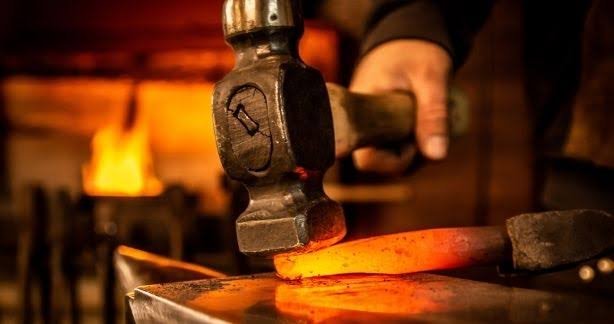
- Designing the knife: The first step in making a Damascus hunting knife is to design the knife and determine the size, shape, and other characteristics of the blade and handle.
- Forging the blade: The blade of a Damascus hunting knife is typically made by layering different types of steel together and then forging them into a single blade. This process involves heating the steel to a high temperature and then hammering it to shape.
- Grinding and shaping the blade: Once the blade has been forged, it is ground and shaped to its final form using a variety of tools and techniques. This may include using a belt sander or hand grinder to shape the blade, as well as using files and other tools to refine the edge and remove any roughness.
- Heat treating the blade: After the blade has been ground and shaped, it is heat treated to increase its strength and durability. This process involves heating the blade to a high temperature and then rapidly cooling it to harden the steel.
- Finishing the blade: The final step in making a Damascus hunting knife is to finish the blade. This may involve etching the blade to reveal the pattern of the Damascus steel, as well as applying a finish such as oil or wax to protect the blade and enhance its appearance.
- Assembling the knife: Once the blade has been completed, it is fitted with a handle and any other necessary components to complete the knife.
The process of making a Damascus hunting knife is complex and requires a high level of skill and experience. It typically involves a combination of traditional techniques and modern tools and methods to produce a knife that is both functional and aesthetically pleasing.